Charging an EV at home in Kigali: what it really costs
A practical breakdown of overnight home charging, REG tariffs, and how the real maths compares to petrol.

One of the first questions every buyer asks us about electric cars is the same: "But how — and where — do I charge it?" The honest answer surprises people. Most EV owners in Kigali almost never visit a public charger. They plug in at home overnight and wake up to a full battery. Here's what that actually costs and how the maths compares to a tank of petrol.
You charge where you park
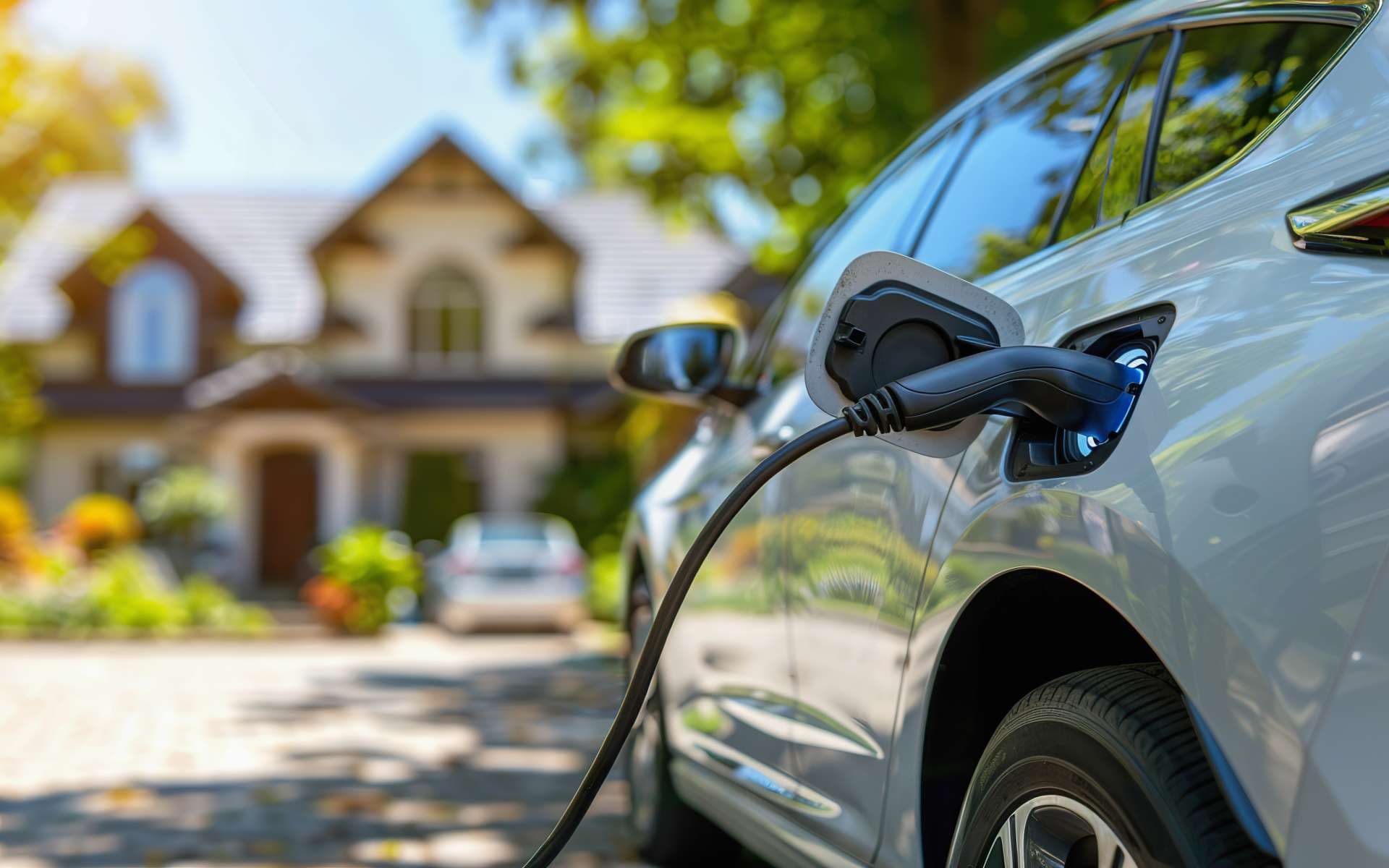
An electric car is the only vehicle you can "refuel" while you sleep. Plug it into a normal socket or a home wall charger when you get home, and it tops up overnight. No queues, no fuel stations, no detours — you start most days with a full charge.
For the vast majority of city driving, that's all you need. Public fast chargers exist for longer trips, but day to day, your home is your filling station.
What it costs to charge
Electricity in Rwanda is billed per kilowatt-hour (kWh), and a car's battery is measured in kWh too — which makes the maths refreshingly simple.
- A typical EV uses roughly 15–18 kWh to travel 100 km
- Charging at home, that 100 km costs a fraction of the equivalent petrol
- A full overnight charge adds up to far less than a comparable tank of fuel
- Slower overnight charging is also gentler on the battery than constant fast charging
How it compares to petrol
Petrol prices move, but the gap doesn't really close. Where a petrol car might cost you tens of thousands of francs to cover a week of commuting, the same distance in an EV charged at home is dramatically cheaper. Over a year, most owners cut their "fuel" bill by more than half — and that's before you count the savings on servicing.
Beyond the running cost
The price per kilometre is only part of the story:
- Far less maintenance — no oil changes, no exhaust, fewer moving parts
- No idling, no engine noise, instant torque from a standstill
- Rwanda's EV tax incentives make the purchase price more competitive too
Setting up charging is easy
You don't need a complicated installation to get started. Many owners begin with a standard outlet and add a dedicated wall charger later for faster top-ups. When you buy an EV from us, we help you sort out home charging so you're ready to drive from day one.
Curious whether an electric car fits your daily drive? Come in for a test drive and we'll run the numbers for your specific commute.